Tofu press benefits transform how you prepare plant-based proteins at home. This simple kitchen tool solves the biggest challenge with store-bought tofu – too much water content that leads to soggy, flavorless results.
Most home cooks struggle with tofu because they skip the pressing step. This guide shows you exactly how a tofu press works and why it makes such a difference.
By the end you will understand which type works best for your kitchen and how to get crispy, flavorful tofu every time.
TL;DR
- Tofu contains up to 85% water content that must be removed for proper texture and flavor absorption.
- A tofu press can reduce pressing time from 4 hours with books to 15-30 minutes with controlled pressure.
- Pressed tofu absorbs marinades 3x better than unpressed tofu according to food science studies.
- Metal presses last longest but bamboo versions work just as well for occasional use.
Tofu Press Benefits That Change Your Cooking
A tofu press removes excess moisture systematically and evenly. Traditional methods like wrapping in towels and stacking books take hours and create uneven results.
The controlled pressure system extracts water without crushing the delicate protein structure. This preserves the tofu’s ability to hold shape while creating space for flavors to penetrate.
Why Store-Bought Tofu Needs Pressing
Commercial tofu sits in water to stay fresh during shipping and storage. This extra moisture prevents proper browning and creates a steamed texture instead of the crispy exterior most recipes need.
Water also blocks flavor absorption because liquids cannot penetrate saturated proteins. Adding flavor to plant-based dishes starts with creating space for marinades and seasonings to work.
The Science Behind Water Content
Tofu contains 80-85% water when packaged. Removing even half of this moisture concentrates the protein and creates a firmer texture that holds up to cooking methods like frying and grilling.
The Maillard reaction that creates browning and rich flavors only happens on dry surfaces. Wet tofu steams rather than browns, missing out on this flavor development completely.
Types of Tofu Presses Available
Three main materials dominate the tofu press market. Each offers different advantages for home cooks.
Bamboo Tofu Presses
Bamboo versions are lightweight and naturally antimicrobial. They work well for occasional use and cost less than metal alternatives.
The wood absorbs some moisture during pressing, which can help with the overall drying process. However, they require more careful cleaning to prevent bacterial growth.
Plastic Tofu Presses
Plastic models are dishwasher safe and resist staining. They typically feature clear construction so you can monitor the pressing progress visually.
Most plastic presses use spring-loaded or ratchet mechanisms for consistent pressure. These systems work reliably but may wear out faster than metal components.
Metal Tofu Presses
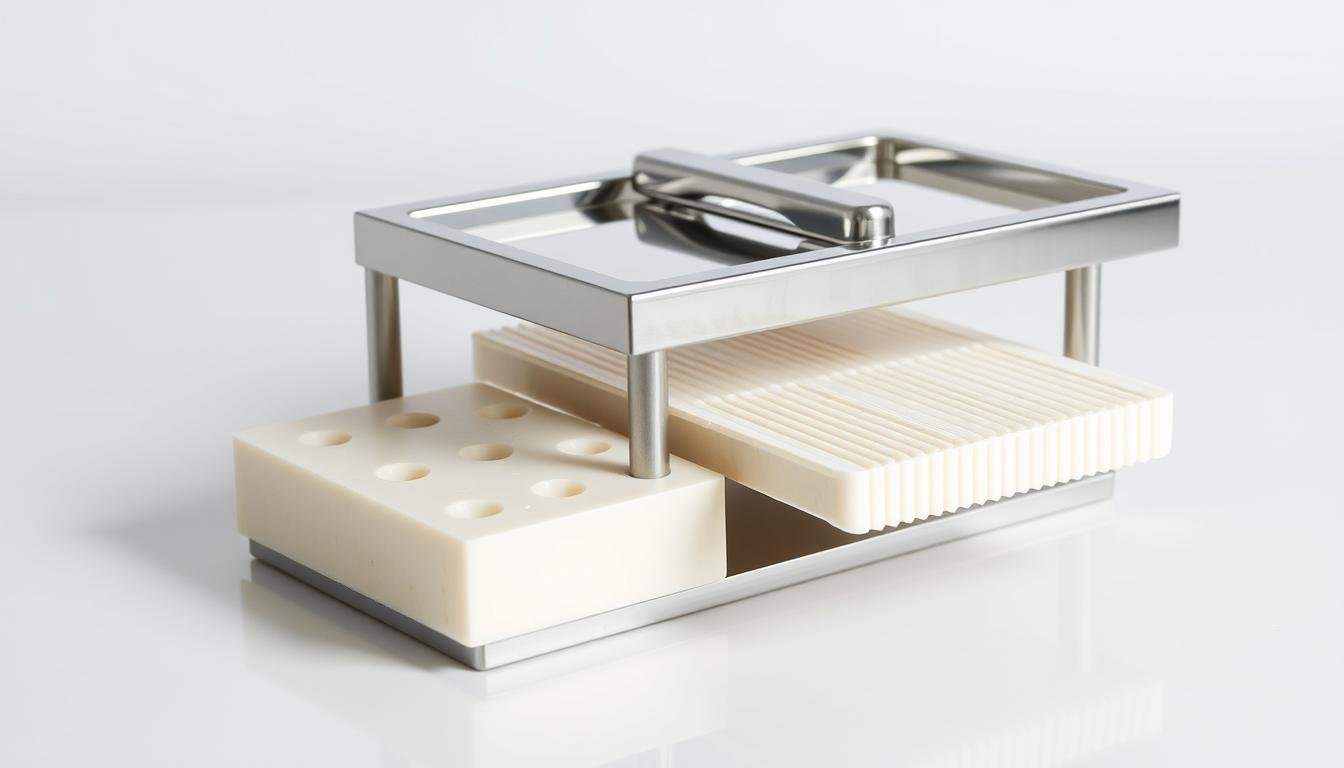
Stainless steel presses apply the most consistent pressure and last the longest. They resist corrosion and clean easily without absorbing odors or flavors.
Metal versions cost more upfront but provide professional-level results. The weight of the press itself contributes to the pressing action.
| Material | Best For | Price Range | Durability |
|---|---|---|---|
| Bamboo | Occasional use | $15-25 | 2-3 years |
| Plastic | Regular home use | $20-35 | 3-5 years |
| Metal | Heavy use | $30-60 | 10+ years |
How Tofu Presses Work
Most presses use adjustable pressure systems that gradually increase force on the tofu block. Spring-loaded designs maintain consistent pressure as water is expelled and the tofu compresses.
The pressing chamber includes drainage holes or channels that direct water away from the tofu. This prevents reabsorption and keeps the pressing surface dry throughout the process.
Setting Up Your Tofu Press
Place your tofu press on a rimmed baking sheet or in the sink to catch expelled water.
- Remove tofu from packaging and drain initial liquid completely.
- Center the block in the press chamber for even pressure distribution.
- Start with light pressure and gradually increase every 10 minutes for best results.
Key Benefits of Using a Tofu Press
Better Texture Development
Pressed tofu develops a firmer, meatier texture that holds up to aggressive cooking methods. The concentrated protein creates satisfying chewiness that unpressed tofu cannot match.
This improved texture works especially well in stir-fries and grilled applications where the tofu needs structural integrity. Proper kitchen tools like a good press make the difference between soggy and satisfying results.
Enhanced Flavor Absorption
Removing water creates microscopic spaces in the protein matrix. These spaces readily accept marinades, seasonings, and cooking liquids for deeper flavor penetration.
Marinades that would sit on the surface of wet tofu penetrate 2-3 inches into properly pressed blocks. This creates consistent seasoning throughout rather than just surface flavor.
Faster Cooking Times
Less water means faster heat transfer and quicker cooking. Pressed tofu browns in 2-3 minutes per side compared to 6-8 minutes for unpressed blocks.
The reduced moisture also prevents oil splattering during frying. This makes the cooking process safer and cleaner for home kitchens.
More Recipe Options
Firm pressed tofu works in applications where regular tofu would fall apart. You can cube it for kebabs, slice it thin for sandwiches, or crumble it for scrambles without losing structure.
The versatility opens up recipe categories that were previously difficult or impossible with unpressed tofu. This includes grilled dishes, stuffed preparations, and delicate presentations.
Proper Pressing Techniques
Start with firm or extra-firm tofu for best results. Silken varieties contain too much water and break apart under pressure.
Press for 15-30 minutes for most recipes, or up to 2 hours for maximum firmness. Longer pressing times work better for grilled applications where you need the firmest possible texture.
Step-by-Step Pressing Process
- Prepare the workspace. Set up your press on a stable surface with drainage collection.
- Load the tofu. Place the block in the press chamber, centered for even pressure.
- Apply initial pressure. Start light and gradually increase to avoid cracking the tofu.
- Monitor progress. Check every 10 minutes and increase pressure as water is expelled.
- Complete the process. Continue until no more water drains out visibly.
Maintenance and Care
Clean your press immediately after use with warm soapy water. Food particles left on pressing surfaces can harbor bacteria and affect future batches.
For plastic models, occasional sanitizing with dilute bleach solution helps prevent odor buildup. Metal presses can go in the dishwasher for thorough cleaning.
Recipe Applications for Pressed Tofu
Pressed tofu excels in high-heat cooking methods. Grilling, pan-frying, and roasting all benefit from the reduced moisture content and firmer texture.
Marinated preparations show the biggest improvement with pressed tofu. The flavor penetration transforms bland blocks into richly seasoned protein that rivals traditional options.
Crispy Tofu Techniques
Achieving restaurant-quality crispy tofu requires proper pressing followed by light coating. Cornstarch or flour applied to pressed, dry surfaces creates the best crust.
High heat and minimal oil work better than low heat and excess fat. The dry surface browns quickly without steaming, creating the ideal contrast between crispy exterior and tender interior.
Marinated Applications
Allow 30 minutes minimum for marinades to penetrate pressed tofu. Acidic components like vinegar or citrus help flavors move deeper into the protein matrix.
Vacuum sealing or massage techniques can reduce marinating time to 15-20 minutes for pressed tofu. The open protein structure accepts flavors much faster than unpressed alternatives.
Frequently Asked Questions
How long should I press tofu for best results?
Press for 15-30 minutes for most recipes, or up to 2 hours for maximum firmness. Longer pressing works better for grilled dishes where you need the firmest texture.
Can I use a homemade setup instead of buying a tofu press?
Yes, but commercial presses provide more consistent results and are much more convenient. Books and towels work but take 3-4 hours compared to 15-30 minutes with a proper press.
Which type of tofu works best for pressing?
Firm and extra-firm tofu give the best results. Silken varieties contain too much water and break apart under pressure.
How do I clean my tofu press properly?
Wash immediately after use with warm soapy water. Plastic models benefit from occasional sanitizing, while metal versions can go in the dishwasher.
Is pressed tofu more nutritious than regular tofu?
Pressed tofu concentrates the protein and nutrients by removing water. You get more nutrition per serving but the same total nutritional value per block.
Final Thoughts
Tofu press benefits extend far beyond just removing water from your ingredients. The improved texture, better flavor absorption, and expanded recipe possibilities make this tool essential for anyone cooking plant-based proteins regularly.
Start with a basic plastic or bamboo model to test how often you will use it. Upgrade to metal if you find yourself pressing tofu weekly or more frequently.


Focused on simplicity and flavor, Ryan helps readers create quick vegan meals and snacks without the overwhelm. Whether you’re new to vegan cooking or just want to keep it simple, Ryan’s tips, guides, and no-fuss approach make plant-based eating accessible and enjoyable for everyone.