
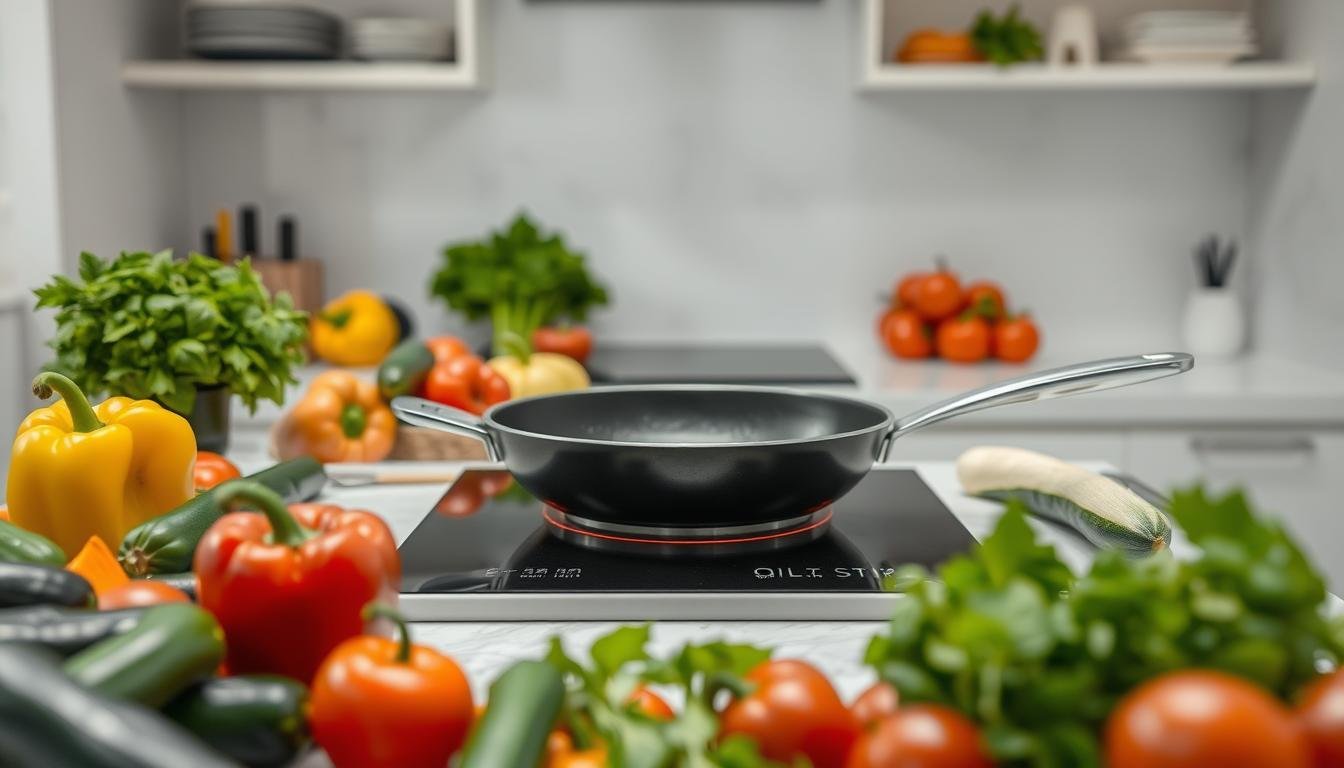
Oil-Free Cooking Tips and Methods bring together practical techniques that help you prepare delicious meals without added oils or animal fats. This approach to cooking focuses on using natural moisture from foods and smart kitchen tools to create satisfying dishes.
Most people assume you need oil to prevent sticking or add flavor to food. The reality is that proper techniques and the right equipment make oil completely unnecessary while keeping meals tasty and textures appealing.
You will learn specific cooking methods, liquid alternatives, and flavor enhancement techniques that make oil-free cooking both simple and enjoyable.
TL;DR
- Non-stick cookware and silicone mats eliminate the need for oil when cooking or baking.
- Water, vegetable broth, and vinegars work as effective liquid substitutes for sautéing and cooking.
- Dry sautéing and steam-frying techniques prevent sticking while preserving food’s natural flavors.
- Herbs, spices, and umami-rich ingredients like mushrooms boost flavor without adding fats.
Oil-Free Cooking Tips and Methods
Different oil-free cooking methods work better for specific types of food. Understanding when to use each technique helps you get the best results from your ingredients.
The key is matching the cooking method to your ingredient’s natural moisture content and texture requirements.
Dry Sautéing
Dry sautéing cooks vegetables and proteins in a pan without any added liquids initially. The food releases its own moisture, which prevents sticking when combined with proper heat control.
This method works best with vegetables that contain natural water content like onions, mushrooms, and bell peppers.
Steam-Frying
Steam-frying combines the speed of frying with the gentleness of steaming. You add a small amount of liquid to the pan, cover it, and let steam do most of the cooking work.
This technique produces tender results while maintaining the food’s nutritional value and natural colors.
Water Sautéing
Water sautéing uses small amounts of water or broth instead of oil to cook ingredients. The liquid evaporates during cooking, leaving concentrated flavors behind.
Start with 2-3 tablespoons of liquid and add more as needed to prevent burning.
| Method | Best For | Liquid Amount | Heat Level |
|---|---|---|---|
| Dry Sautéing | High-moisture vegetables | None initially | Medium |
| Steam-Frying | Dense vegetables | 1/4 cup | Medium-high |
| Water Sautéing | Aromatics and soft vegetables | 2-3 tablespoons | Medium |
| Roasting | Root vegetables, proteins | None | High (425°F) |
Essential Equipment for Oil-Free Success
The right tools make oil-free cooking effortless and prevent the frustration of stuck or burned food. Quality equipment pays for itself by making this cooking style more enjoyable.
Focus on getting a few key pieces rather than buying everything at once.
- Non-stick cookware – ceramic or hard-anodized coatings work best for medium-high heat cooking.
- Cast iron pans – naturally non-stick when properly seasoned and improve with use over time.
- Silicone baking mats – replace greasing with oil or butter and withstand high temperatures.
- Parchment paper – prevents sticking and allows easy cleanup for roasted foods.
- Steam inserts – fit into existing pots for cooking vegetables and fish without added fats.
Liquid Alternatives That Replace Oil
Smart liquid substitutions maintain moisture and add flavor complexity to your dishes. Each alternative brings unique taste profiles that enhance rather than mask your ingredients.
The trick is using just enough liquid to prevent sticking without making food soggy.
Broths and Stocks
Vegetable, mushroom, and bone broths add depth of flavor while providing the moisture needed for sautéing. Low-sodium versions give you better control over the final taste.
Homemade broths work best, but quality store-bought options save time on busy weeknights.
Vinegars and Citrus Juices
Apple cider vinegar, balsamic vinegar, and fresh citrus juices add acidity that brightens flavors. The acid helps break down tough fibers in vegetables and tenderizes proteins.
Start with small amounts as these liquids are potent and can overwhelm delicate ingredients.
Wine and Cooking Alcohols
White wine, red wine, and cooking sherry provide complex flavors that develop during cooking. The alcohol evaporates, leaving behind concentrated taste without the intoxicating effects.
Use wines you would drink rather than “cooking wine” which often contains added salt and preservatives.
Plant-Based Fat Substitutes for Baking
Natural plant-based ingredients can replace oils in baking and cooking applications. These alternatives often add nutritional benefits beyond what oils provide.
Each substitute works differently, so understanding their properties helps you choose the right one for each recipe.
Fruit Purées
Applesauce, mashed bananas, and pumpkin purée add moisture to baked goods while reducing overall fat content. Each brings its own flavor profile that complements certain recipes.
Replace oil with an equal amount of purée, though you may need to adjust other liquid ingredients.
Nut and Seed Butters
Almond butter, cashew butter, and tahini provide healthy fats along with protein and minerals. They work especially well in cookies, quick breads, and creamy sauces.
Thin nut butters with plant milk or water to achieve the consistency your recipe needs.
Avocado and Silken Tofu
Mashed avocado and blended silken tofu create creamy textures in brownies and chocolate desserts. These protein-rich alternatives also help bind ingredients together in baked goods.
Blend silken tofu until completely smooth to avoid lumpy textures in finished dishes.
Preventing Food from Sticking Without Oil
Simple techniques eliminate sticking problems before they start, making oil-free cooking more successful.
- Preheat pans properly before adding food to create an even cooking surface.
- Keep ingredients moving with gentle stirring to prevent hot spots from forming.
- Add small amounts of liquid when you notice sticking beginning to occur.
- Use lower heat settings and longer cooking times for better temperature control.
Building Flavor Without Fats
Creating complex flavors without oils requires understanding how different ingredients interact during cooking. The absence of oil actually lets you taste ingredients more clearly.
Layer flavors throughout the cooking process rather than relying on oil to carry taste.
Aromatics and Base Flavors
Onions, garlic, ginger, and celery form the foundation of most savory dishes. Cook these ingredients first using water sautéing to build a flavorful base.
Let aromatics cook until they release their natural moisture and become fragrant before adding other ingredients.
Herbs and Spice Combinations
Fresh and dried herbs release more flavor when heated directly against the pan surface. Toast whole spices for 30 seconds before grinding to intensify their potency.
Add delicate herbs at the end of cooking to preserve their bright flavors and colors.
Umami-Rich Ingredients
Mushrooms, tomato paste, soy sauce, and nutritional yeast provide the savory depth that makes dishes satisfying. These ingredients contain natural glutamates that enhance other flavors.
A small amount of these umami boosters goes a long way in building flavor complexity.
Mastering Heat Control
Success with oil-free cooking comes from understanding how heat, moisture, and timing work together. These fundamentals apply whether you’re sautéing vegetables or roasting proteins.
Practice with simple recipes before attempting more complex dishes that require precise technique.
- Start with medium heat. Most oil-free cooking happens at moderate temperatures to prevent burning.
- Preheat the pan properly. A properly heated surface prevents sticking better than a cold pan.
- Add ingredients gradually. Don’t overcrowd the pan, which creates steam and prevents proper browning.
- Monitor moisture levels. Add liquid when sticking begins but not so much that food becomes soggy.
- Use a lid strategically. Cover to retain moisture or leave uncovered to concentrate flavors.
Oil-Free Roasting Techniques
High-heat roasting develops natural sugars in vegetables and creates appealing textures without any added fats. This method produces concentrated flavors and appealing caramelization.
Use parchment paper or silicone mats to prevent sticking when roasting at temperatures above 400°F.
For detailed guidance on preparing vegetables using these techniques, check out our comprehensive guide on how to cook vegetables for maximum flavor and nutrition.
Temperature Guidelines
Roast most vegetables at 425°F for optimal browning and texture. Dense vegetables like potatoes and winter squash may need 450°F for proper caramelization.
Cut vegetables into uniform pieces to ensure even cooking and prevent some pieces from burning while others remain undercooked.
Seasoning Strategies
Season vegetables before roasting to help spices adhere and penetrate during cooking. Salt draws out moisture initially, then concentrates flavors as water evaporates.
Add acid like lemon juice or balsamic vinegar after roasting to preserve bright flavors that heat would diminish.
Troubleshooting Common Issues
Even experienced cooks encounter challenges when switching to oil-free methods. Understanding common problems and their solutions prevents frustration and improves results.
Most issues stem from using too high heat or not having the right equipment for the job.
When Food Starts Sticking
Immediately reduce heat and add a small amount of liquid when sticking occurs. Deglaze the pan by scraping up any browned bits for added flavor.
Let stuck food release naturally rather than forcing it with spatulas that might tear delicate ingredients.
Achieving Proper Browning
Browning without oil requires patience and proper pan temperature. Pat proteins and vegetables dry before cooking to remove excess moisture that prevents browning.
Don’t move food too frequently – let it develop color before stirring or flipping.
Managing Moisture Balance
Too much liquid creates steam that prevents browning, while too little causes sticking and burning. Add liquids gradually and adjust heat as needed.
Remove lids periodically to allow excess moisture to evaporate and concentrate flavors.
Learn more about plant-based cooking strategies in our vegan meal prep guide that covers batch cooking techniques and time-saving methods.
Health Benefits of Oil-Free Cooking
Eliminating added oils from your cooking routine provides significant health advantages beyond simple calorie reduction. This approach supports cardiovascular health and weight management goals.
Research shows that reducing dietary fat intake can improve insulin sensitivity and reduce inflammation markers in the body.
According to the National Heart, Lung, and Blood Institute, reducing dietary fat intake is an effective strategy for weight management and heart health.
Frequently Asked Questions
What are the main benefits of cooking without oil?
Oil-free cooking reduces calorie intake, supports heart health, improves digestion, and helps with weight management while still producing flavorful meals.
What kitchen tools are most important for oil-free cooking?
Non-stick cookware, silicone baking mats, parchment paper, and steaming equipment are the essential tools that make oil-free cooking successful and enjoyable.
How do I prevent food from sticking without using oil?
Use proper non-stick equipment, control heat carefully, add small amounts of liquid when needed, and keep food moving to prevent hot spots from forming.
What liquids work best as oil substitutes?
Water, vegetable broth, vinegars, citrus juices, and wines all work well as oil replacements, each adding different flavor profiles to your dishes.
Can I still get crispy textures without oil?
Yes, roasting at high temperatures with parchment paper, using air fryers, or dry-searing in hot pans all create crispy textures without added fats.
What are good plant-based fat substitutes for baking?
Fruit purées like applesauce, nut and seed butters, avocado, and silken tofu all work as fat replacements in baked goods while adding nutritional benefits.
Final Thoughts
Oil-Free Cooking Tips and Methods open up a healthier approach to preparing meals without sacrificing flavor or satisfaction. The techniques become second nature with practice and proper equipment.
Start with simple recipes to build confidence, then gradually expand to more complex dishes as your skills develop. This cooking style offers both immediate health benefits and long-term wellness advantages that make the learning process worthwhile.


