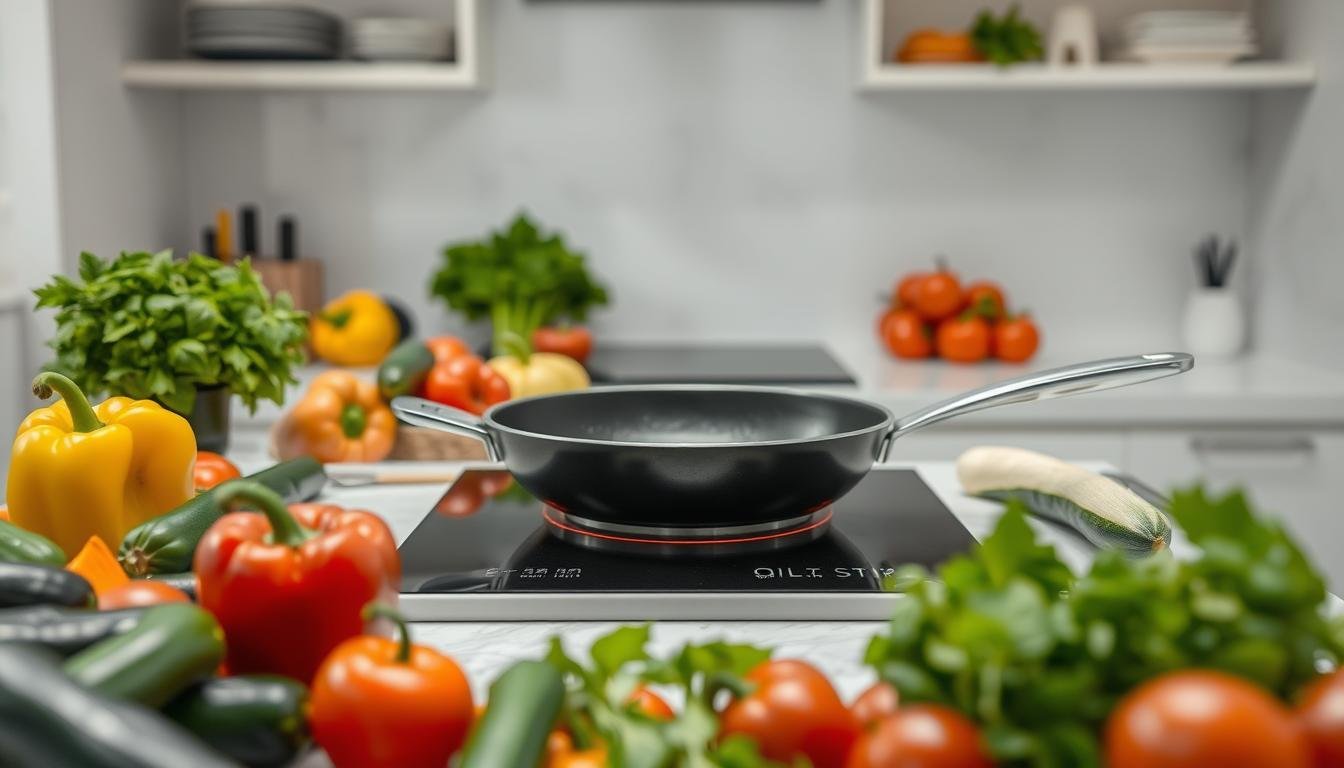
How To Plan And Prep Vegan Meals For The Week starts with understanding that meal preparation is the foundation of successful plant-based eating. Most people struggle with vegan cooking because they try to improvise every meal instead of planning ahead.
This systematic approach saves hours each week while ensuring you eat balanced, satisfying meals. You will learn the exact steps to plan, shop, prep, and store vegan meals efficiently.
By following this process, you will transform your relationship with plant-based cooking and never feel stuck wondering what to eat next.
TL;DR
- Batch cooking grains and legumes on Sunday provides protein and carbs for the entire week.
- Glass containers with airtight lids keep prepared meals fresh for 4-5 days in the refrigerator.
- Planning around seasonal produce reduces costs by up to 30% compared to buying out-of-season items.
- Prepping vegetables immediately after shopping extends their shelf life by 2-3 days.
How To Plan And Prep Vegan Meals For The Week
Successful vegan meal prep happens in three phases – planning, shopping, and preparation. Each phase builds on the previous one to create an efficient system.
Start by choosing 3-4 base recipes for the week that share common ingredients. This reduces shopping complexity and prep time while providing variety.
Setting Your Weekly Goals
Decide how many meals you want to prepare in advance. Beginners should start with 4-6 meals rather than attempting full week coverage.
Consider your schedule when choosing prep-friendly recipes. Soups, grain bowls, and stir-fries reheat well and maintain their texture.
Creating Your Meal Calendar
Map out which meals you will eat on which days of the week. This prevents food waste and ensures balanced nutrition across all meals.
Build variety by rotating protein sources – legumes on Monday, tofu on Tuesday, tempeh on Wednesday. Include different cooking methods like roasting, sauteing, and raw preparations.
Essential Pantry Staples for Vegan Meal Prep
A well-stocked pantry eliminates last-minute shopping trips and enables flexible meal creation. Focus on shelf-stable ingredients that form the foundation of multiple dishes.
Stock these categories to handle most vegan meal prep scenarios without constant restocking.
Grains and Complex Carbohydrates
- Brown rice – cooks in 45 minutes and stores well for up to 5 days
- Quinoa – complete protein that reheats without getting mushy
- Rolled oats – perfect for overnight oats and savory porridge
- Whole grain pasta – holds its texture better than refined versions
Protein Sources
- Dried lentils – red lentils cook in 15 minutes, brown in 25 minutes
- Canned chickpeas – ready to use and perfect for quick meals
- Hemp hearts – add protein to any dish without cooking
- Firm tofu – press and cube for stir-fries and grain bowls
Flavor Enhancers
- Nutritional yeast – adds cheesy flavor and B vitamins
- Tahini – creates creamy dressings and sauces
- Coconut aminos – soy-free alternative to soy sauce
- Apple cider vinegar – brightens flavors and aids digestion
Smart Shopping Strategies
Efficient shopping starts with a detailed list organized by store layout. Group items by produce, pantry staples, refrigerated, and frozen sections.
Shop with a budget in mind and prioritize seasonal produce for maximum nutrition and cost savings.
Seasonal Shopping Benefits
Seasonal produce tastes better and costs less than out-of-season alternatives. Winter squash in fall, leafy greens in spring, and stone fruits in summer offer peak flavor.
Frozen vegetables provide consistent quality year-round and often contain more nutrients than fresh produce that traveled long distances.
| Season | Best Vegetables | Best Fruits |
|---|---|---|
| Spring | Asparagus, spinach, peas | Strawberries, apricots |
| Summer | Zucchini, tomatoes, corn | Berries, stone fruits |
| Fall | Squash, Brussels sprouts | Apples, pears |
| Winter | Kale, carrots, potatoes | Citrus fruits |
Reading Labels for Hidden Animal Products
Many seemingly vegan products contain animal-derived ingredients. Check for gelatin in vitamins, honey in granola, and whey in processed foods.
Look for certified vegan labels when available, or research unfamiliar ingredients using apps like Barnivore for alcohol and HappyCow for restaurants.
Step-by-Step Prep Day Process
Dedicate 2-3 hours on your chosen prep day for maximum efficiency. Sunday works well for most people, but choose the day that fits your schedule.
Follow this order to minimize cleanup and maximize productivity during your prep session.
- Start longest-cooking items first. Put rice, quinoa, or dried legumes on the stove before doing anything else.
- Prep vegetables while grains cook. Wash, chop, and portion vegetables into storage containers.
- Prepare proteins next. Press tofu, marinate tempeh, or cook additional legumes.
- Make sauces and dressings. These keep well and add variety to simple ingredients.
- Assemble complete meals. Combine cooked components into grab-and-go containers.
Batch Cooking Game Plan
Cook large batches of versatile ingredients that work in multiple recipes throughout the week.
- Cook 3 cups of dry quinoa to yield 9 cups cooked – enough for grain bowls, salads, and sides
- Roast a full sheet pan of mixed vegetables at 425°F for 25-30 minutes
- Prepare 2-3 different sauces in small batches to prevent flavor fatigue
Batch Cooking Essentials
Focus on ingredients that improve with time and reheat well. Soups, stews, and grain-based salads often taste better the next day.
Cook proteins separately from vegetables when possible to maintain optimal textures when reheating.
Roasting Vegetables
Cut vegetables into similar-sized pieces for even cooking. Roast at 425°F until edges are golden and vegetables are tender.
Different vegetables require different cooking times – start with root vegetables, add squash halfway through, and finish with quick-cooking items like zucchini.
Cooking Grains and Legumes
Use the absorption method for grains – 1 cup grain to 2 cups liquid for most varieties. Bring to a boil, reduce heat, cover, and simmer until tender.
Cook legumes with a piece of kombu seaweed to improve digestibility and reduce cooking time by 10-15 minutes.
Storage Solutions and Food Safety
Proper storage extends the life of your prepared meals and maintains food safety. Invest in quality containers that seal completely and stack efficiently.
Label everything with contents and date to track freshness and prevent waste.
Best Container Types
- Glass containers with locking lids – microwave and dishwasher safe, no odor retention
- BPA-free plastic containers – lightweight for work lunches, less expensive
- Mason jars – perfect for salads, overnight oats, and smoothie ingredients
- Vacuum-seal bags – ideal for freezer storage and portion control
Refrigerator Storage Guidelines
Store prepared meals in the refrigerator within 2 hours of cooking. Most prepared vegan meals stay fresh for 4-5 days when stored properly.
Keep the refrigerator temperature at 40°F or below to prevent bacterial growth. Store raw ingredients separate from cooked foods.
Freezer-Friendly Options
Soups, stews, cooked grains, and bean-based dishes freeze well for up to 3 months. Portion into single servings before freezing for quick thawing.
Avoid freezing high-water vegetables like lettuce, cucumber, and fresh herbs as they become mushy when thawed.
| Food Type | Refrigerator Life | Freezer Life |
|---|---|---|
| Cooked grains | 5-6 days | 6 months |
| Bean and lentil dishes | 4-5 days | 3 months |
| Roasted vegetables | 3-4 days | Not recommended |
| Soups and stews | 4-5 days | 4 months |
For more detailed information on proper storage techniques, check out this comprehensive guide to storing and freezing vegan foods that covers specific storage requirements for different plant-based ingredients.
Common Meal Prep Combinations
Create variety by mixing and matching prepared components throughout the week. This prevents boredom while maximizing your prep investment.
Build meals around the formula: grain + protein + vegetables + sauce + healthy fat.
Mediterranean Bowl
Combine quinoa, chickpeas, roasted vegetables, tahini dressing, and a sprinkle of hemp hearts. This combination provides complete nutrition and satisfying flavors.
Prep components separately and assemble fresh for optimal texture and taste.
Asian-Inspired Bowl
Layer brown rice, marinated tofu, steamed broccoli, shredded carrots, and peanut sauce. Add fresh cilantro and crushed peanuts just before eating.
Make the peanut sauce by blending peanut butter, coconut aminos, rice vinegar, and a touch of maple syrup.
Mexican-Style Bowl
Build with cilantro-lime rice, black beans, roasted peppers and onions, avocado, and salsa verde. Include a squeeze of fresh lime before serving.
Prepare rice with vegetable broth instead of water for extra flavor depth.
You might also enjoy these easy vegan lunch ideas for work that complement your meal prep routine perfectly.
Frequently Asked Questions
How many meals should I prep as a beginner?
Start with 4-6 meals for your first week of meal prep. This gives you experience without overwhelming your schedule or refrigerator space.
Can I meal prep for more than one week at a time?
Yes, but focus on freezer-friendly options like soups, stews, and cooked grains. Most fresh preparations are best consumed within 4-5 days for optimal taste and safety.
What if I get bored eating the same meals all week?
Prepare versatile base ingredients and different sauces to create variety. The same roasted vegetables taste completely different with tahini dressing versus marinara sauce.
How do I prevent my vegetables from getting soggy?
Store wet and dry components separately until ready to eat. Keep dressings in small containers and add just before consuming prepared salads or bowls.
Is it safe to reheat meal prepped food multiple times?
No, only reheat food once to maintain safety and quality. Portion meals into single servings before storing to avoid reheating unused portions.
Final Thoughts
How To Plan And Prep Vegan Meals For The Week becomes second nature once you establish a routine that works for your lifestyle. The key is starting small and building confidence with each successful prep session.
Focus on simple, versatile ingredients that combine well together rather than complicated recipes that require specialty equipment. Your future self will thank you for the time and effort invested in this valuable skill.